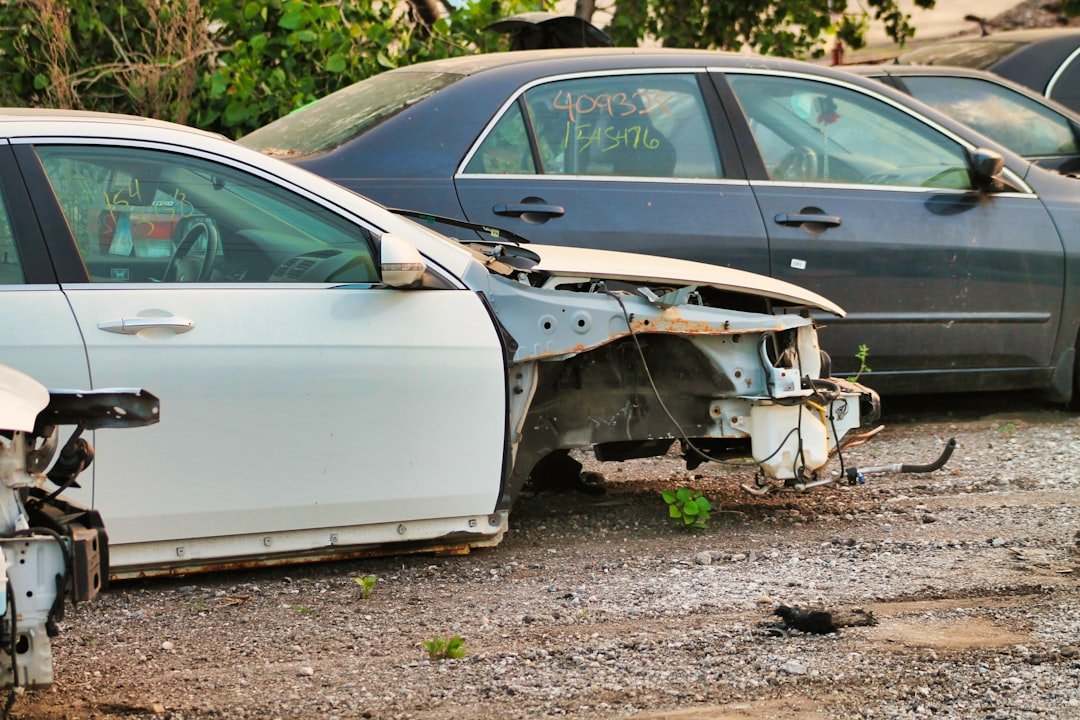



When homeowners ask what does home insurance actually cover, they usually expect a simple answer. The reality is more nuanced: a standard policy covers a core set of risks, but the way coverages are structured, the limits chosen, and the endorsements added make all the difference. Fallon Insurance Agency sees this every day — two policies can look identical on paper but behave very differently when a claim happens.
How Home Insurance Works — The Basics
Home insurance is a package of protections that transfer financial risk from the homeowner to the insurer when qualifying events happen. Most U.S. policies bundle several distinct coverages into one contract:
- Dwelling coverage — the house itself
- Other structures — detached garages, fences, sheds
- Personal property — furniture, clothing, electronics
- Loss of use (additional living expenses) — temporary housing costs
- Liability protection — lawsuits and medical costs for third parties
- Medical payments to others — small medical bills regardless of fault
But those headings are only a starting point. The devil — and the protection — lives in the details: policy form (HO‑3, HO‑5, HO‑8), whether coverages are on a replacement‑cost or actual‑cash‑value basis, the policy limits, and which perils are named or excluded.
Policy Forms: What Homeowners Should Know
The three-letter policy code matters. Here are the ones homeowners see most often and what they mean in plain English.
HO‑3 (Special Form)
This is the most common policy for single‑family homes. It typically covers the dwelling on an open perils basis (meaning losses are covered unless explicitly excluded) while personal property is covered on a named perils basis (only the perils listed in the policy are covered).
HO‑5 (Comprehensive Form)
More comprehensive than HO‑3: both the dwelling and personal property are often covered on an open‑perils basis. This gives broader protection for personal belongings but usually costs more.
HO‑2 (Broad Form) and HO‑8 (Older Home Form)
HO‑2 is a named‑perils policy with more limited dwelling coverage. HO‑8 exists for older homes where replacement cost would exceed market value; it commonly pays repairs using actual cash value and contains special provisions.
Core Coverages Explained
Breaking down each major coverage helps answer the central question what does home insurance actually cover in a practical way.
Dwelling Coverage (Structure)
Dwelling coverage pays to repair or rebuild the home if it’s damaged by a covered peril — fire, hail, wind, lightning, vandalism and similar events. Crucially, this coverage is tied to a limit: the insurer will pay up to that dollar amount to rebuild. If the limit is too low, the homeowner pays the rest.
Example: A Madison home suffers storm damage from a derecho that blows out siding and damages the roof. If the dwelling limit is adequate and the peril is covered, the insurer will pay to repair or rebuild up to the policy limit, minus the deductible.
Other Structures
Detached buildings like sheds, fences and gazebos are covered under “other structures” — usually a percentage of the dwelling limit (commonly 10%). That’s handy when a fallen oak crushes a garden shed after a summer storm.
Personal Property
Personal property covers belongings inside the home — furniture, clothing, electronics, and often items temporarily away from the home. Coverage is typically a percentage of the dwelling limit (often 50–70%).
Important nuance: standard policies place limits on certain high‑value items like jewellery, silverware, fine art and firearms. For example, the policy might cap jewellery losses at $1,500 unless the item is scheduled (insured separately with documentation).
Loss of Use (Additional Living Expenses)
If a home becomes uninhabitable after an insured loss, loss‑of‑use coverage pays additional living expenses — hotel, laundry, restaurant meals and other costs above normal living expenses while the home is repaired. It’s measured either by a time limit or as a percentage of the dwelling limit.
Real example: A furnace fails during a bitter Madison winter, causing pipes to freeze and forcing temporary displacement. Loss‑of‑use would help cover hotel and related expenses while repairs and drying take place.
Liability Coverage
Liability coverage protects homeowners if someone is injured on their property or if they cause damage to someone else’s property. It also covers legal defence costs if the homeowner is sued — even when the suit is groundless.
Example: A neighbour slips on an icy sidewalk in front of a house and breaks a wrist. Liability insurance can pay medical bills and, if the neighbour sues, legal fees and settlements up to the policy limit.
Medical Payments to Others
This is a smaller, no‑fault component that pays for immediate medical expenses for visitors injured on the property, regardless of who’s at fault. It’s designed to prevent small incidents from becoming lawsuits.
What Standard Home Insurance Usually Does Not Cover
Understanding exclusions is as important as knowing what’s included. Some losses commonly assumed to be covered actually aren’t, unless additional coverage is purchased.
- Flood damage: Damage from natural flooding is almost always excluded. Flood insurance is available separately through the National Flood Insurance Program (NFIP) or private insurers.
- Earthquake: Often excluded — homeowners in quake‑prone areas may need a separate policy or endorsement.
- Wear and tear, maintenance issues, and gradual leaks: Insurance covers sudden and accidental damage, not slow deterioration or lack of maintenance.
- Sewer backup and sump pump failure: Frequently excluded unless the homeowner adds a specific endorsement.
- Damage from pests and insects: Not covered when it’s due to neglect.
- Certain high‑value items: Jewellery, furs, collectibles and electronics may have sublimits unless scheduled.
Optional Coverages and Endorsements Many Homeowners Overlook
These add‑ons are where policies get tailored to a homeowner’s real risks. Fallon Insurance Agency emphasises making these choices thoughtfully rather than chasing the lowest premium.
- Flood Insurance: Essential if the house is in a flood zone or near rivers and lakes. Floods can occur outside mapped zones, too — recent Midwest storms show why.
- Sewer/Drain Backup Endorsement: Covers damage from sewer backups or sump pump failures — a common claim after heavy spring rains in Madison.
- Ordinance or Law Coverage: Pays for the extra cost if a rebuild must comply with current building codes (for example, upgrading electrical systems or replacing non‑compliant insulation).
- Scheduled Personal Property: For high‑value items (watches, fine art, cameras) this assigns a specific limit and often provides broader perils and valuation.
- Replacement Cost on Personal Property: Upgrading personal property coverage from actual cash value to replacement cost reduces out‑of‑pocket losses for newer items.
- Water Backup and Foundation Coverage: For areas with clay soils or older piping where foundation movement or backups are a risk.
- Identity Theft Coverage: Assists with restoration costs and legal fees if identity fraud occurs.
- Home Business Coverage: For equipment, inventory and liability related to a legitimate home business — standard homeowners policies often limit or exclude business exposures.
- Umbrella (Excess Liability) Policy: Extends liability limits well beyond the base policy and covers some liability gaps. Critical for families with significant assets or high‑exposure activities.
Common Coverage Gaps That Lead to Surprises
Fallon Insurance Agency fields calls from homeowners who assumed they were covered — and then faced unexpected bills. These gaps recur frequently:
No Flood Coverage
A homeowner in a low‑lying part of the county assumes they’re safe because they’re not in a designated floodplain. A sudden storm overwhelms the local storm drains and the basement floods. Without flood insurance, the cleanup and replacement costs come out of pocket.
Insufficient Dwelling Limits
People often insure based on market value rather than the actual cost to rebuild. After a total loss, they discover the rebuild costs exceed their policy limit. Replacing a home to modern codes can be surprisingly expensive.
Outdated Roof Exclusions
Older roofs sometimes reduce coverage or cause carriers to decline replacement cost for roof damage. That can leave homeowners paying to repair or replace a roof after a storm if the insurer uses an age‑based depreciation calculation.
Unscheduled High‑Value Items
Valuable jewellery, coin collections or expensive musical instruments often have low sublimits. If stolen or damaged, the owner may only receive a fraction of the item’s value unless it was scheduled.
Business Use of Home
Running a substantial home‑based business without proper coverage can void claims. A laptop stolen during a break‑in might be covered, but inventory or client property could be excluded.
Replacement Cost vs Actual Cash Value: Why It Matters
Replacement cost and actual cash value (ACV) drive how much the insurer pays. Replacement cost pays to replace the item with a similar new one, while ACV deducts depreciation.
Example: A ten‑year‑old washer destroyed by lightning. Under ACV, depreciation reduces the payout; under replacement cost, the insurer pays to replace it with a comparable new model (subject to limits and conditions).
For structures, replacement cost coverage for the dwelling helps ensure the home can be rebuilt to equivalent quality, subject to policy limits and exclusions.
How Deductibles and Limits Shape Outcomes
The deductible is the amount the homeowner pays on a claim before the insurer pays. Choosing a higher deductible reduces premium but increases out‑of‑pocket exposure for each claim. Policy limits cap the insurer’s maximum payout. Both need to be balanced against financial ability to absorb losses and appetite for risk.
Practical Steps to Make Sure Coverage Actually Protects the Home
Fallon Insurance Agency recommends a proactive, checklist approach — not a price‑first mindset. Here’s how homeowners can close common gaps.
- Inventory Belongings: Take photos, video and maintain receipts for major items. Store the inventory offsite or in the cloud.
- Schedule High‑Value Items: Jewellery, art, wine collections and other valuables should be scheduled with appraisals when necessary.
- Check Dwelling Limits: Rebuild cost calculators are a start, but a professional estimate gives a better picture — especially after renovations.
- Consider Flood and Sewer Coverages: If there’s any chance of flooding or backups, buy separate flood insurance and add a sewer backup endorsement.
- Review Roof and Age‑Related Exclusions: Know whether the insurer reduces or denies replacement cost on older roofs.
- Update Policy After Renovations or Major Purchases: A new kitchen or expensive electronics may require higher limits or endorsements.
- Keep an Eye on Liability Limits: If household income, assets or activities change (e.g., teen driver, rental), consider an umbrella policy.
- Annual Policy Review: Make it a habit to review the policy yearly with an advisor who checks limits, endorsements and exclusions.
Real‑World Scenarios Homeowners See in the Upper Midwest
Local weather and housing patterns influence the types of claims homeowners make. A few scenarios illustrate why coverage structure matters.
Heavy Spring Rains and Sewer Backups
After an unusually wet spring, several Madison basements experience sewage backups. Homeowners without the sewer backup endorsement face costly cleanup and damage to finished basements and belongings. Those who had the endorsement file claims that cover both clean‑up and replacement of damaged items, minus deductibles.
Ice Dams and Roof Damage
In frigid winters, ice dams can force water under shingles, causing interior damage. Some carriers exclude damage related to ice dams unless the homeowner has maintained proper insulation and ventilation. Homeowners who neglected attic maintenance risk denied claims.
Tree Falls During a Storm
A windstorm uproots a mature maple that crushes a porch and damages the roof. Dwelling coverage and other‑structures coverage respond to the structural damage; debris removal coverage helps cover the cost of cutting and removing the tree — though policies may limit per‑tree or total debris removal payments.
Fire Caused by Faulty Wiring After Renovation
Renovations done without permits or licensed contractors can complicate claims. Insurance companies may deny coverage if the cause links to improper work. This underscores the importance of permitting, inspections and notifying the insurer after significant changes.
How Fallon Insurance Agency Helps Homeowners Avoid Costly Mistakes
Fallon Insurance Agency focuses on designing coverage that actually protects clients when it matters, rather than simply offering the cheapest premium. That means:
- Performing a thorough policy review and gap analysis to identify missing coverages or low limits
- Helping homeowners calculate realistic rebuild costs and adjusting dwelling limits accordingly
- Recommending and placing endorsements where they make sense — flood, sewer backup, scheduled personal property, ordinance and law, and umbrella policies
- Explaining exclusions and claim triggers in plain language so clients know what to expect
- Assisting with documentation — inventories, appraisals and photographs — so claims proceed smoothly
The agency’s clients in Minnesota, Wisconsin and surrounding states value this approach because local weather, seasonal risks and housing styles create coverage needs that a cookie‑cutter policy won’t meet.
Practical Checklist: Questions to Ask When Reviewing a Home Insurance Policy
Homeowners should use this checklist during an annual review or before a major life change (remodelling, adding valuables, starting a home business, etc.).
- What is the dwelling limit, and is it based on replacement cost or market value?
- Are personal belongings covered on a replacement‑cost basis or actual cash value?
- Are there specific sublimits for jewellery, electronics, firearms, or collectibles?
- Does the policy include sewer backup, sump pump failure or water backup coverage?
- Is flood insurance needed based on location and recent weather trends?
- Does the policy include ordinance or law coverage for bringing a rebuild up to code?
- Are roof‑age or roof‑type exclusions applied to wind/hail coverage?
- What is the deductible for dwelling, and would a higher deductible be manageable?
- Is liability coverage sufficient, and should an umbrella policy be added?
- Are home‑based business exposures disclosed and properly covered?
- How does the insurer handle claims for gradual damage vs sudden events?
- What documentation is required to file a smooth claim (receipts, photos, serial numbers)?
- Are there discounts available for safety upgrades, new systems or bundling home and auto?
- Does the policy cover belongings temporarily away from the home — for example, items in a car or storage unit?
- What steps should be taken immediately after a loss to preserve coverage?
Frequently Asked Questions
Does home insurance cover flood damage?
No. Standard homeowners policies typically exclude flood damage caused by rising water. Homeowners in flood‑prone areas — or those worried about heavy spring rains — should consider separate flood insurance through the NFIP or a private flood policy.
Will my homeowner’s policy pay to replace my phone stolen from my car?
It depends. Personal property protection may cover items stolen from a vehicle, but the payout could be subject to sublimits and the deductible. Some policies limit coverage for items away from the residence, so scheduling high‑value electronics or checking your auto policy might be necessary.
Is mould covered after a pipe bursts?
If mould results from a sudden, accidental event that’s covered (like a burst pipe), cleanup and mould remediation may be covered. However, mould from long‑term leaks or poor maintenance is usually excluded. Prompt reporting and mitigation help claims.
Do I need an umbrella policy if I already have liability on my homeowners policy?
Liability on a homeowners policy is often adequate for common scenarios, but limits (commonly $100k–$300k) may be insufficient if the homeowner faces serious lawsuits or has significant assets. An umbrella policy adds an extra layer of liability protection at a relatively low cost.
How often should homeowners review their policy?
At least once a year and after any major change — renovations, big purchases, starting a home business, or if a child obtains a driver’s licence. Seasonal weather shifts and local construction costs also affect rebuild estimates.
Conclusion — Make Coverage Work For You, Not Just For Price
Answering what does home insurance actually cover requires more than a quick checklist. It demands an honest look at real risks, local conditions and the policy’s structure. Fallon Insurance Agency encourages homeowners to treat insurance as a risk‑management tool: verify rebuild costs, schedule valuables, add endorsements for known local exposures (flood, sewer backup), and keep liability limits high enough to protect against lawsuits.
Price matters, but not at the expense of proper protection. For families in Minnesota, Wisconsin, Michigan, Iowa, North Dakota, South Dakota and Illinois, the goal isn’t the cheapest policy — it’s the right one. Homeowners who review coverage proactively avoid nasty surprises when disaster strikes.
Ready to know for sure? Homeowners can start by reviewing their current policy against the checklist above or contacting Fallon Insurance Agency for a focused policy review and personalised recommendations. A quick conversation can reveal whether a few targeted changes improve protection far more than a small premium savings ever could.

Leland Fallon
Leland Fallon is the founder of Fallon Insurance Agency, dedicated to protecting families across the Midwest. His mission is simple: make sure no family ever finds out they were underinsured after it’s too late. By uncovering hidden coverage gaps, he ensures his clients are fully protected not just carrying a policy.