


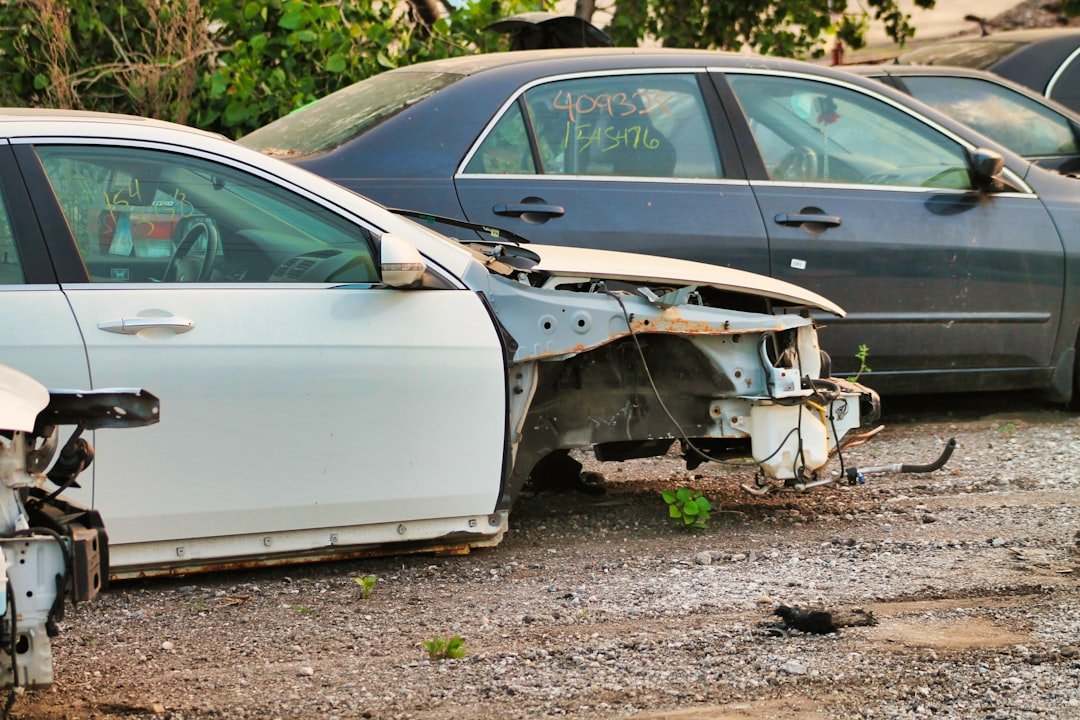
When a deer darts across Highway 151 outside Madison and the repair bill comes in higher than your car’s value, that’s when many people discover auto insurance coverage gaps. I’ve seen it time and again: drivers assume their policy will “just cover it,” only to learn later that a missing endorsement, low limits, or an overlooked exclusion leaves them paying out of pocket. I help families across Minnesota, Wisconsin, Michigan, Iowa, North Dakota, South Dakota, and Illinois close those gaps so insurance actually protects them when it matters — not just looks good on paper.
Why Coverage Gaps Happen
Insurance policies are full of line items and fine print. On the surface, two policies can look identical — same premium, similar coverages listed — yet they’re structured very differently. Coverage gaps happen because of how policies are written and how people use their vehicles. A few common reasons:
- Relying on state minimums: Those minimum liability limits are meant to prevent criminal penalties, not protect your assets.
- Assuming “comprehensive” or “collision” is all you need: Not every loss is covered the same way, and some endorsements are required for full replacement value.
- Policy exclusions: Named drivers, business use, or aftermarket equipment might be expressly excluded.
- Life changes: New teen drivers, moving, adding a leased vehicle, or starting side gigs like delivery are often not reported and therefore not covered properly.
- Lapsed coverage or paperwork mistakes: Missed payments or not adding a lienholder can cause trouble at a claim.
Understanding those reasons is the first step. The next is recognizing the specific gaps that commonly catch people off guard.
Common Types of Auto Insurance Coverage Gaps
Below are the most common holes I see in policies — and real examples of how they play out for families in and around Madison.
1. Low Liability Limits
Liability coverage pays for damage you cause to others — bodily injury and property damage. Many drivers keep state-minimum limits (for example, 25/50/10), thinking it’s enough. But medical bills, lost wages, and pain-and-suffering from a serious crash can easily exceed those limits.
Example: A collision on the Beltline injures two people. Medical bills, future care, and a lawsuit push the payout well beyond a 25/50 limit. The at-fault driver’s assets — savings, home equity, and future wages — are suddenly exposed.
Solution: Consider at least 100/300/100 (or higher) and pair it with an umbrella policy for extra protection.
2. No or Low Uninsured/Underinsured Motorist (UM/UIM) Coverage
Even in Midwest states with lower uninsured rates, you can get hit by a driver with little or no insurance. UM/UIM fills the gap when the other driver can’t pay. Many drivers skip it to save a few dollars, only to face big medical bills later.
Example: A driver runs a red light on Monroe Street and leaves the scene. You’re injured, but the at-fault car is uninsured. Without UM coverage, your medical bills could be a big problem.
Solution: Match UM/UIM limits to your liability limits whenever possible. That prevents a different kind of coverage gap: your protection depends on someone else’s resources.
3. Physical Damage Gap for Financed Vehicles
If you have a loan or lease, your lender wants physical damage protection. The trouble comes when your insurer pays the vehicle’s actual cash value (ACV) after a total loss, but your loan balance is higher — that’s the “gap.”
Example: You lease a new AWD crossover in November, but by February a deer takes it out. The insurer values the car at its ACV, but you still owe thousands to the bank.
Solution: Add gap insurance or a loan/lease payoff endorsement. It’s inexpensive relative to the exposure and easy to overlook at purchase.
4. Medical Payment and Health Coordination Gaps
Some policies offer MedPay or PIP (no-fault medical coverage). These can cover immediate medical costs regardless of fault. But if you rely on health insurance first, coordination of benefits — deductible responsibilities and subrogation — can get messy.
Example: A UCS student commuting in winter suffers injuries in a collision. Without the right coordination between MedPay, health insurance, and UM, bills pile up and reimbursement is delayed.
Solution: Confirm how MedPay, PIP, and your health insurance work together and what stays uncovered.
5. Exclusions for Business Use or Rideshare
Using your personal car for business — from real estate showings to delivering for DoorDash — often requires different coverage. Personal policies commonly exclude commercial use.
Example: A Madison parent delivering groceries on weekends has an at-fault crash. The carrier denies the claim because the policy excludes business use.
Solution: Add a business-use endorsement or purchase a commercial auto policy if you use your vehicle regularly for work or rideshare driving.
6. Named Driver or Household Exclusions
Policies sometimes exclude specific drivers (a high-risk teen, for example) or impose household exclusions. If someone not listed drives your car and gets in a wreck, coverage could be denied.
Example: A teen borrows a friend’s car and gets into a crash. Because the teen wasn’t added properly, the claim becomes complicated.
Solution: List all household drivers, update the policy when new drivers join, and ask about permissive use rules.
7. Missing Add-Ons: Rental Reimbursement and Loss of Use
When your car’s in the shop after a collision, rental reimbursement pays for a temporary vehicle. Without it, you may be out of pocket for weeks.
Example: While your Subaru is repaired after hitting a pothole near Camp Randall, you rely on ride shares and rentals — quickly racking up costs.
Solution: Add rental reimbursement and loss-of-use coverage. It’s inexpensive and prevents short-term budget pain.
8. Aftermarket, Custom, and Classic Car Gaps
Standard policies often limit payouts for custom equipment or restore to aftermarket value rather than replacement with original manufacturer parts.
Example: You upgraded the stereo and installed custom wheels. A theft results in an offer that won’t replace those items at their true value.
Solution: Schedule custom equipment on your policy or buy agreed-value coverage for classic cars.
9. Territory and Travel Limitations
Driving outside your policy’s territory — especially internationally — can void coverage for certain losses.
Example: A family driving to Ontario for a vacation assumes their Wisconsin policy covers everything. Some policies need a travel endorsement for Canada.
Solution: Check territory definitions and add travel endorsements if needed.
10. Policy Period and Premium Lapses
A canceled policy or a gap between policies removes coverage. Even a short lapse can lead to higher premiums later and leave you uninsured at a critical moment.
Example: Missed auto premium because of a credit card expiration leads to a cancellation notice. A week later, a crash happens and there’s no coverage.
Solution: Keep payments current and set automatic reminders. If you change insurers, make sure the new policy is effective the same day the old policy cancels.
How to Spot Gaps in Your Policy — A Practical Checklist
You don’t need to be an insurance pro to identify problems. Start with the declarations page and run through the checklist below.
- Look at your liability limits (e.g., 25/50/10). Are they adequate for your assets?
- Check if you have UM/UIM and whether limits match your liability limits.
- Confirm comprehensive and collision are on each vehicle you want covered and note deductibles.
- Do you have a gap endorsement or loan/lease payoff coverage if the vehicle is financed or leased?
- Is rental reimbursement and roadside assistance included where you need it?
- Are all household drivers and their primary vehicles listed? Any excluded drivers?
- Does your policy exclude business use or rideshare driving?
- Is there coverage for custom parts or an agreed value for classic cars?
- What are the policy territory limits?
- Do you have any endorsements you don’t understand? Ask your agent to explain each.
Bring this checklist to a conversation with your agent. If anything on it raises a question, that’s where coverage gaps are hiding.
How I Recommend Fixing Coverage Gaps
Fixing gaps is usually straightforward when you know what to ask for. Here’s a set of practical, prioritized steps I use with clients.
1. Raise Liability Limits First
Liability is the foundation. Increasing from 25/50 to 100/300 often costs surprisingly little and protects you from catastrophic judgments. If you own a home or have retirement savings, treat liability coverage as a core asset-protection tool.
2. Match UM/UIM to Your Liability
Make sure your uninsured/underinsured limits mirror your liability limits. It’s typical to match them 1:1 so you’re not exposed if the other driver can’t pay.
3. Add Gap Insurance on New or Leased Vehicles
Talk to your auto insurer or dealer about gap coverage. If you financed more than the car’s expected depreciation or put down a small down payment, add gap now — not after a loss.
4. Buy an Umbrella Policy If You Need It
An umbrella policy extends liability above your auto and home limits. It’s inexpensive relative to the protection it provides. If you own a home, have savings, or a high income, consider 1–3 million in umbrella coverage.
5. Add or Raise Rental Reimbursement and Roadside Assistance
A minor premium increase here prevents major inconvenience after an accident or breakdown during a snowstorm in January.
6. Schedule Custom Equipment and Consider OEM Endorsements
If your car has aftermarket parts or you care about OEM replacement, get endorsements that spell out replacement cost rather than depreciated value.
7. Clarify Business vs Personal Use
If you occasionally use your car for work (not commuting), tell your agent. Regular delivery, rideshare, or commercial use typically needs different coverage.
8. Keep Drivers Updated
Adding a teen, a newly licensed spouse, or a live-in relative changes your risk. Don’t wait until a claim forces the issue.
When an Umbrella Policy Makes Sense
Umbrella insurance is not just for the wealthy. It’s for anyone whose potential liability could exceed their auto and home limits. I recommend umbrellas in these situations:
- You have significant home equity or investments
- You host regular gatherings or have a pool
- You employ household help or have teenage drivers
- You want extra protection against catastrophic claims from serious injury or wrongful death
Umbrellas also typically cover legal defense costs and may offer coverage gaps like libel/slander or certain lawsuits involving rental properties. For many families, the peace of mind is worth the modest annual premium.
Common Mistakes I See — And How to Avoid Them
- Buying only on price: Cheapest quote often equals the coverage with the biggest holes.
- Assuming your agent will change things automatically: You need to report major life changes and ask for a review.
- Not naming all drivers: Assuming permissive use covers everyone is risky.
- Not scheduling high-value custom items: You’ll be surprised how little is offered without a rider.
- Believing rental or rideshare company coverage will protect you: Their coverage may be limited or secondary to your policy.
Cost vs Benefit: Why More Coverage Often Pays Off
Most people overestimate how much coverage costs and underestimate the financial impact of a serious crash. Here’s a realistic comparison:
- Raising liability from 25/50 to 100/300 might increase your premium by a few dollars a month.
- Adding gap insurance on a financed car often costs less than $20/month.
- An umbrella policy of $1M can be under $200/year.
Contrast that with a single catastrophic claim: medical bills and legal costs can easily reach six figures. A small premium increase provides meaningful protection and long-term peace of mind.
Real-World Examples From My Work
I’ll share a couple of client stories (details changed for privacy) to show how these gaps actually play out and get fixed.
Case 1: The Family Who Kept State Minimums
A Madison family carried 25/50 limits to save money. After a crash that resulted in serious injuries for the other driver, they faced a lawsuit. Their home and retirement savings were at risk. We raised their limits to 250/500 and added a $1M umbrella. The premium increase was modest, and their assets were protected.
Case 2: The Side-Gig Delivery Driver
A client did weekend food deliveries and assumed his personal auto policy covered him. A claim was denied for “business use.” We placed him on a proper business-use endorsement and adjusted coverages. The client paid a bit more but avoided the exposure of driving uninsured for commercial purposes.
Case 3: The New Lease With a Bigger Loan
A young couple leased a new SUV and experienced a total loss within months after a deer strike. Without gap coverage they owed the gap to the lender. We reimbursed their lender via gap coverage and added it on future leases after advising them on deductible and OEM replacement endorsements.
How Fallon Insurance Agency Approaches Coverage Gaps
At Fallon Insurance Agency, our focus isn’t simply quoting the lowest price. We build coverage structures that actually protect families — that means we look for hidden gaps and explain trade-offs plainly. Here’s how we work:
- We start with the declarations page and a short interview: who drives, how cars are used, loan details, and assets to protect.
- We compare policy structure, not just price: limits, endorsements, exclusions, and coordination with home and umbrella policies.
- We give clear, prioritized recommendations so you can make trade-offs that match your budget and risk tolerance.
- We help with implementation: endorsements, adding drivers, scheduling equipment, and setting up agreed-value or gap coverage when needed.
If you live in Wisconsin — Madison included — we’ll talk about seasonal risks (winter driving, deer season) and how to handle them. For families across Minnesota, Michigan, Iowa, North Dakota, South Dakota, and Illinois, we tailor advice to local laws and typical exposures.
Practical Steps: What You Can Do Right Now
If you have 15–30 minutes, you can take concrete steps to find and close gaps in your auto insurance:
- Pull up your current policy declarations page (dec page).
- Check these fields: liability limits, UM/UIM limits, comp/collision deductibles, rental reimbursement, listed drivers, and endorsements.
- Make a list of recent life changes: new drivers, vehicles, business use, or home purchases.
- Call your agent and ask for a coverage review. Use the checklist from earlier in this article.
- If you have a loan or lease, verify that gap coverage is included or purchase it separately.
- Consider an umbrella if you have significant assets you want to protect.
If anything looks unfamiliar on your dec page, ask for a plain-English explanation. Good agents should be able to describe, in everyday terms, exactly what’s covered and what’s not.
Frequently Asked Questions
What’s the single most important thing to check to avoid coverage gaps?
Start with your liability limits and uninsured/underinsured motorist coverage. Make sure UM/UIM matches your liability limits and that both are high enough to protect your assets. For most families, that one adjustment eliminates the greatest risk.
Does gap insurance come automatically with a lease?
Not always. Some lenders or lease contracts include a clause, but many don’t. It’s inexpensive and worth adding if you financed more than a typical down payment or have a rapidly depreciating car.
My teen drives sometimes. Should I list them on my policy?
Yes. Teens dramatically change your policy’s risk profile and need to be listed so coverage applies appropriately. Failing to list them can lead to claims complications or denials.
Will my rideshare company’s coverage protect me while I’m driving for them?
It depends on the phase — waiting for a ride request, en route to pick up, or with a passenger — and policies vary by company and state. Many personal auto policies exclude commercial use, so you likely need a rideshare or business-use endorsement to be fully protected.
How much does an umbrella policy usually cost?
Premiums vary by household risk, location, and underlying limits, but for many clients a $1M umbrella starts at a few hundred dollars per year. It’s a cost-effective way to protect sizable assets.
Conclusion
Auto insurance coverage gaps catch good people off guard all the time — but they’re avoidable. The trick is to treat insurance like protection for your life, not a checkbox to satisfy minimum legal requirements. Review your declarations page, compare coverage structure (not just price), and ask hard questions about business use, UM/UIM limits, gap insurance, and endorsements for custom equipment or OEM replacement.
If you want help walking through your policy, I’ll do a straightforward, no-pressure review. Fallon Insurance Agency specializes in setting up insurance the right way — making sure your auto, home, and umbrella work together to protect what matters. Call us, bring your dec page, and let’s close the gaps before something happens.
Ready to review your policy or get a tailored quote? Contact Fallon Insurance Agency for a complimentary coverage review and see where small changes today can prevent big problems later.

Leland Fallon
Leland Fallon is the founder of Fallon Insurance Agency, dedicated to protecting families across the Midwest. His mission is simple: make sure no family ever finds out they were underinsured after it’s too late. By uncovering hidden coverage gaps, he ensures his clients are fully protected not just carrying a policy.