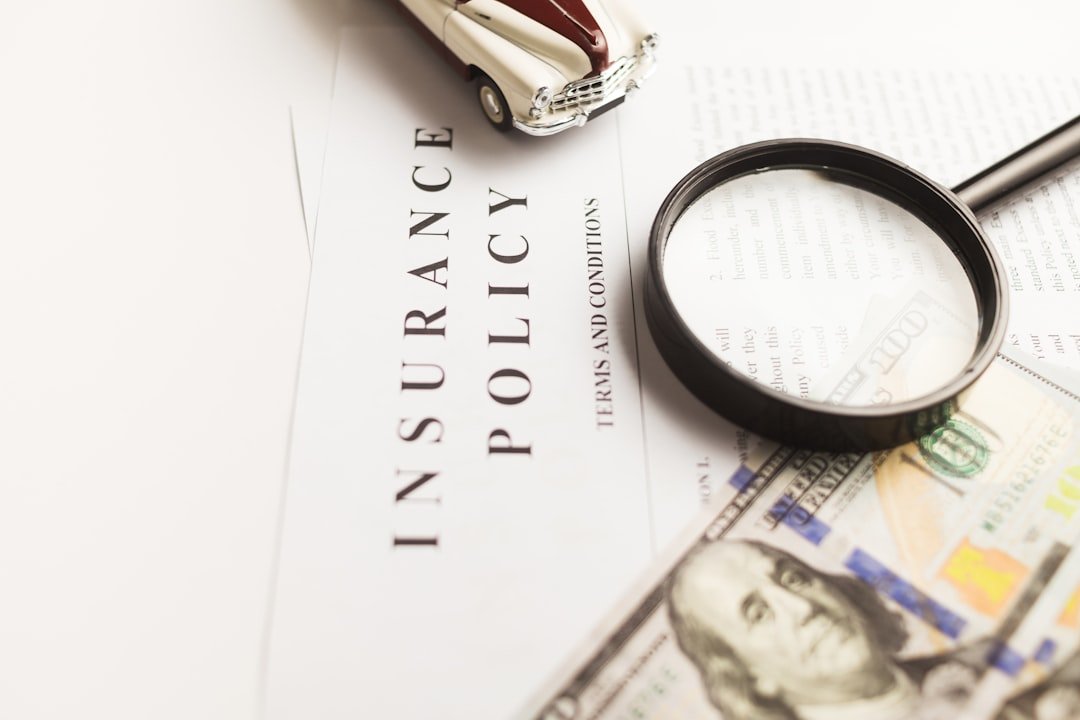


Last winter in Madison, I sat across from a homeowner who watched a deer bolt out from behind a snowbank and total his SUV. He expected his policy to pick up everything — towing, a rental car, even the stereo he’d just installed. After we dug in, he learned some things his policy didn’t cover. That’s why I want to get straight to the point: what is not covered by auto insurance varies a lot, and missing those details can cost you big time.
Why this matters more than the cheapest rate
Most people compare car insurance by price and basic line items — liability, collision, comprehensive. But policies that look the same on the surface can behave very differently when you actually need them. I help homeowners and families across Minnesota, Wisconsin, Michigan, Iowa, North Dakota, South Dakota, and Illinois build coverage that actually protects them when it matters. That means we focus on the structure of your policy: what’s included, what’s excluded, and what endorsements or extra protections you might need.
How auto insurance is structured (quick primer)
Before we talk about exclusions, it helps to understand the main pieces of a typical personal auto policy. I’ll keep this short and practical.
- Liability: Pays for damage you cause to other people or their property (bodily injury and property damage).
- Collision: Pays to repair or replace your vehicle after an accident with another car or object, regardless of fault (minus your deductible).
- Comprehensive: Pays for non-collision losses like theft, vandalism, falling objects, fire, and many animal strikes.
- Uninsured/Underinsured Motorist (UM/UIM): Protects you if another driver has no insurance or not enough insurance.
- Medical Payments / Personal Injury Protection (PIP): Pays medical bills for you and your passengers, depending on your state and policy.
- Endorsements & Riders: Optional add-ons that expand or restore coverage for specific things (rental reimbursement, custom parts, gap coverage, roadside assistance).
Broad answer: the things most auto policies don’t cover
At a high level, here’s the starters list of what is commonly excluded — the short answer to “what is not covered by auto insurance.” But read on: I’ll explain each item, why it matters, and what you can do about it.
- Routine maintenance, wear and tear, mechanical breakdowns
- Intentional acts and crimes
- Racing or competitive events
- Damage when the car is used for business (unless you have business-use coverage)
- Personal property inside the vehicle (unless specifically endorsed)
- Custom parts and modifications not declared to your insurer
- Driving by an excluded or unauthorized driver
- Damage from government seizure or war
- Damage caused while driving under the influence (often excluded or impacts coverage)
- Wear-related tire damage and aligning issues
Detailed look: What is not covered by auto insurance and why
1. Wear and tear, mechanical failure, and maintenance
Auto insurance is not a warranty or maintenance plan. If your transmission fails because of high mileage, or your brake pads wear out, your auto policy won’t cover replacement. That’s mechanical risk — it’s what warranties, extended service contracts, or regular maintenance are for.
Example: If your alternator dies en route to the Farmer’s Market in Madison, insurance won’t pay to replace it. If the alternator shorted and caused a fire, comprehensive might cover fire damage, but not the alternator replacement itself.
2. Intentional acts and illegal activity
If you purposefully damage a car or commit an illegal act with the vehicle, the insurer almost always denies coverage. That includes intentionally vandalizing someone else’s vehicle or driving while committing a felony.
Tip: Never rely on insurance to cover criminal acts. Beyond coverage denial, there’s legal exposure and possible criminal charges.
3. Racing, speed contests, or stunts
Policies commonly exclude losses during competitive events or when your vehicle is used in a stunt. If your neighbor decides to race down Mineral Point Road and crashes, you’ll probably be on the hook yourself.
4. Business use and rideshare exposures
Most standard personal auto policies exclude or limit coverage when you use your car for business beyond commuting. That includes:
- Delivering goods or food professionally
- Using the car for courier services
- Driving for a rideshare company unless you have specific rideshare coverage
Example: A Madison resident who delivers for a local restaurant might assume collision coverage applies. It often doesn’t — unless the policy includes a business-use endorsement or they have commercial auto coverage.
5. Personal property inside the car
Your wallet, laptop, musical instrument, or winter gear stolen from your car usually isn’t covered by the auto policy. Homeowners or renters insurance (often limited), not auto. Comprehensive may cover some things in limited circumstances — but don’t count on it.
Tip: High-value items like laptops should be scheduled on your homeowners policy or insured separately.
6. Custom parts, aftermarket equipment, and modifications
That lifted suspension, custom stereo, or specialty wheels may not be covered unless declared. Standard policies typically only cover factory-installed equipment. If you’ve invested in modifications, you need an endorsement to cover them for loss or theft.
7. Non-permitted or excluded drivers
If your policy has a named-driver exclusion — for example, someone in your household is excluded — any accident they cause while driving your car could lead to denied claims. Some policies also have “household exclusion” language. Letting someone who’s not insured or is specifically excluded drive your car is a common, costly mistake.
8. Wear-related tire damage and road hazard repairs
Tire failure due to normal wear or poor maintenance is not an auto insurance issue. If you run over a pothole and blow a tire, some policies won’t pay for tire replacement unless you have a specific road hazard or tire-and-wheel coverage.
9. Damage from acts of war or government seizure
These are rare for most drivers, but policies often exclude damage from war, nuclear incidents, or property seizure by authorities.
10. Driving under the influence (DUI)
Coverage for DUI-related accidents can be complicated. Even if your insurer initially covers immediate liabilities, they often reserve the right to deny coverage or seek reimbursement if criminal activity like drunk driving is involved. Expect severe consequences — and don’t forget the legal and personal ramifications beyond insurance.
11. Coverage limits and policy maximums
Technically not an “exclusion” but vitally important: every policy has limits. You might be covered for a loss but only up to the policy maximum. If you carry minimum state limits — common in price-driven shopping — you may still be left with large out-of-pocket bills after a serious accident.
Special categories people misunderstand
Uninsured/Underinsured Motorist: when it’s not enough
UM/UIM coverage is meant to protect you from drivers who have no insurance or inadequate insurance. But it doesn’t help if the other driver has some limits that still leave you short — unless you have UIM selected at a higher level. Also, UM often applies only to bodily injury, not property — check your policy.
Rental cars and travel
Rental reimbursement is optional. If you rely on rental coverage after a wreck, make sure you have that endorsement; otherwise, you’ll pay for rentals out-of-pocket. Also, some policies limit coverage outside the U.S. or have strict rules for cross-border travel — important if you cross into Canada from Minnesota or Wisconsin.
GAP coverage and loans
GAP insurance covers the “gap” between what your car is worth and what you still owe when it’s totaled. Standard auto insurance pays the Actual Cash Value (ACV), which factors in depreciation. If you’re upside-down on a loan and don’t have GAP, you can still owe the lender even after your insurer pays ACV.
Rental car coverage vs. credit card protection
Many people assume their credit card’s rental car insurance covers everything. Those protections vary — often they cover physical damage but not liability, personal items, or certain vehicle classes. Don’t rely on assumptions; confirm before you decline rental company coverage.
Common coverage gaps I see with families in Madison
When I review policies, certain gaps come up repeatedly. If you live in or around Madison, watch for these specific issues:
- Winter-related claims: Hail and deer strikes are common. Comprehensive covers both, but only if you carry it and choose reasonable deductibles.
- Commuter and vehicle use change: If you start a side gig delivering groceries, your personal policy might no longer apply.
- Leased vehicles and dealership requirements: Lenders often require specific coverages and limits. Minimum state limits may not satisfy your lender’s contract.
- Multiple drivers in a household: Adding a teen or an older driver without adjusting limits or exclusions can change premiums and risk substantially.
- Classic cars and hobbies: Collector cars driven occasionally need agreed-value or classic car policies rather than standard personal auto.
How to close gaps and make your policy actually protect you
Knowing what is not covered by auto insurance is the first step. The next step is fixing it. Here are practical moves you can make — and questions you should bring to your agent.
1. Raise your limits (don’t rely on state minimums)
State minimum liability limits are minimums for a reason: they’re cheap but often insufficient. I usually recommend carrying limits well above the state minimum. A serious accident can easily exceed $100,000 in medical bills alone.
2. Add or confirm comprehensive and collision
If you want protection against theft, hail, deer, or a fender-bender, you need comprehensive and collision. Many people drop these to save a few dollars on an older car — but consider GAP and the real replacement cost if your vehicle is financed.
3. Buy endorsements you actually need
- Rental reimbursement: Pays for a rental while your car is being repaired after a covered loss.
- Roadside assistance: Towing, lockout services, and minor on-site repairs.
- New car replacement: Some companies offer replacement with a new model if your new car is totaled within a set time.
- Custom equipment endorsement: Protects aftermarket parts and upgrades.
- Rideshare or business-use endorsement: If you drive for work or rideshare, get the right coverage before your first fare.
4. Consider an umbrella policy
An umbrella expands liability limits beyond your auto and homeowners policies. If you cause a catastrophic accident that exceeds your auto policy limits, umbrella insurance can protect your assets and future earnings.
5. Schedule valuable items
Don’t assume your expensive laptop or camera will be fully covered if stolen from your car. Schedule high-value items on your homeowners or renters policy or buy separate coverage.
6. Document custom work and get it approved
If you add a lift kit, upgraded stereo, or aftermarket wheels, tell your agent and get the modification properly endorsed. Otherwise, you risk partial or no coverage for those upgrades.
7. Watch who you let drive
Make sure your policy’s named-driver language and household exclusions are clear. If someone in your household is excluded, they shouldn’t be driving your vehicles — period.
8. Ask for a policy review — with context
A thorough review is not a sales pitch; it’s a walkthrough of your Declarations Page, coverages, endorsements, limits, and deductibles. I always ask how you actually use your car — commuting, rideshare, farm work, towing — before recommending changes.
Real examples from my files (what actually happened)
Case 1: The commuter who started delivering groceries
Client: Couple in Madison. They both drove personal cars with standard coverage.
Change: One started delivering groceries part-time using her own vehicle.
Result: After a crash while on a delivery, her insurer denied collision coverage because the vehicle was being used for business. The family ended up paying thousands out of pocket. We corrected it by adding a business-use endorsement and a higher liability limit.
Case 2: Custom stereo theft
Client: Young couple who installed an expensive head unit and amplifier.
Damage: Thieves smashed the window and stole the equipment.
Outcome: Their policy paid only a small factory-equipment amount. We got them an aftermarket equipment endorsement and advised scheduling high-value gear on their homeowners policy as well.
Case 3: Totaled financed SUV — no GAP
Client: A family financed a nearly-new SUV and carried collision/comprehensive, but no GAP.
Incident: Totaled by an uninsured driver in an icy crash near Middleton.
Outcome: Insurer paid ACV. The loan balance exceeded that amount by several thousand dollars. GAP would have covered the difference. We changed their package to include GAP for any financed vehicle.
Checklist: How to review your policy right now
Use this checklist when you pull up your declarations page:
- Do I carry collision and comprehensive? What are my deductibles?
- What are my liability limits for bodily injury and property damage?
- Do I have Uninsured/Underinsured Motorist coverage? For bodily injury and property?
- Do I have rental reimbursement and roadside assistance?
- Are there any named-driver exclusions in my policy?
- Do I have endorsements for custom equipment, rideshare, or business use?
- Is GAP coverage applied to financed or leased vehicles?
- Are high-value personal items scheduled on my homeowners/renters policy?
- Would an umbrella policy make sense for my assets and family?
- Does my policy apply in Canada (if I travel) or when towing a trailer?
How Fallon Insurance Agency approaches these gaps
At Fallon Insurance Agency, we don’t pitch the lowest premium as the goal. We build policies that match how you actually live and drive. That means:
- Asking detailed questions about vehicle use — commuting, hauling, farm work, side-gigs.
- Explaining how each coverage works in plain language and pointing out likely exclusions.
- Recommending endorsements or umbrella layers when they protect against real risk.
- Helping clients in Minnesota, Wisconsin, Michigan, Iowa, North Dakota, South Dakota, and Illinois avoid surprises by checking lease/loan requirements and local exposures.
When we review a policy in Madison, I’ll walk you through practical examples relevant to your neighborhood — like deer strike risk near County Trunk highways, winter loss patterns, and whether your commute crosses state lines to Illinois or Iowa.
Common myths about what auto insurance covers
- Myth: “My homeowner’s insurance will cover everything stolen from my car.” Reality: Home policies may cover some items but have limits, deductibles, and possibly special sub-limits for electronics.
- Myth: “If I let a friend borrow my car, my policy covers anything they do.” Reality: If your policy has exclusions, or your friend is specifically excluded, claims can be denied.
- Myth: “The cheapest policy is good enough.” Reality: Price-only shopping often leaves you underinsured when costs spike after a serious loss.
When a claim is denied: what to do
If your insurer denies a claim, don’t panic. Take these steps:
- Ask for the denial in writing and the specific policy language they’re relying on.
- Review the Declarations Page and applicable endorsements with your agent.
- If appropriate, request an internal appeal or submit supporting evidence (photos, receipts, police reports).
- Talk to an independent advisor — we help clients understand denials and explore next steps, including coverage disputes or legal options when needed.
Final words — cover the right risks, not just the cheapest ones
Understanding what is not covered by auto insurance is the key to preventing expensive surprises. Your time is better spent structuring coverage that fits your life — especially if you live in Madison or the surrounding Midwest where deer, winter storms, and varied vehicle use create real exposures.
Insurance is a contract. The price is only one part of that contract. You want an insurance setup that will stand up when something goes wrong — not one that looked good until you needed it.
If you want, I’ll walk through your declarations page with you and point out the gaps most likely to affect your family. At Fallon Insurance Agency we specialize in building coverage that protects homeowners and families across Minnesota, Wisconsin, Michigan, Iowa, North Dakota, South Dakota, and Illinois. We’ll focus on proper coverage structure and real-world protection — not just the lowest premium.
Ready to review your policy or get a quote? Reach out and we’ll make sure nothing important gets missed.
Frequently Asked Questions
What personal items stolen from my car are covered by auto insurance?
Most auto policies don’t cover personal property in your car — your homeowners or renters policy usually does, up to sub-limits. High-value items should be scheduled on your homeowners policy or insured separately.
Is damage from hitting a deer covered?
Yes, hitting a deer is typically covered under comprehensive coverage. If you rely only on collision or carry no comprehensive, you’ll likely pay out-of-pocket.
Does my insurance cover rideshare driving like Uber or Lyft?
Not automatically. Many personal auto policies exclude commercial use or rideshare activities. You’ll need a rideshare endorsement or commercial policy for full protection when driving for pay.
Will my policy cover someone I let borrow my car?
It depends. Many policies cover permissive drivers, but if your policy has named-driver exclusions or the borrower is specifically excluded, coverage can be denied. Check your policy language and ask your agent.
Should I get GAP insurance?
If you owe more on your car loan than the vehicle’s current value, GAP insurance is a smart buy. It’s especially useful for new cars, long loan terms, or heavy depreciation models.

Leland Fallon
Leland Fallon is the founder of Fallon Insurance Agency, dedicated to protecting families across the Midwest. His mission is simple: make sure no family ever finds out they were underinsured after it’s too late. By uncovering hidden coverage gaps, he ensures his clients are fully protected not just carrying a policy.